April 1, 2026
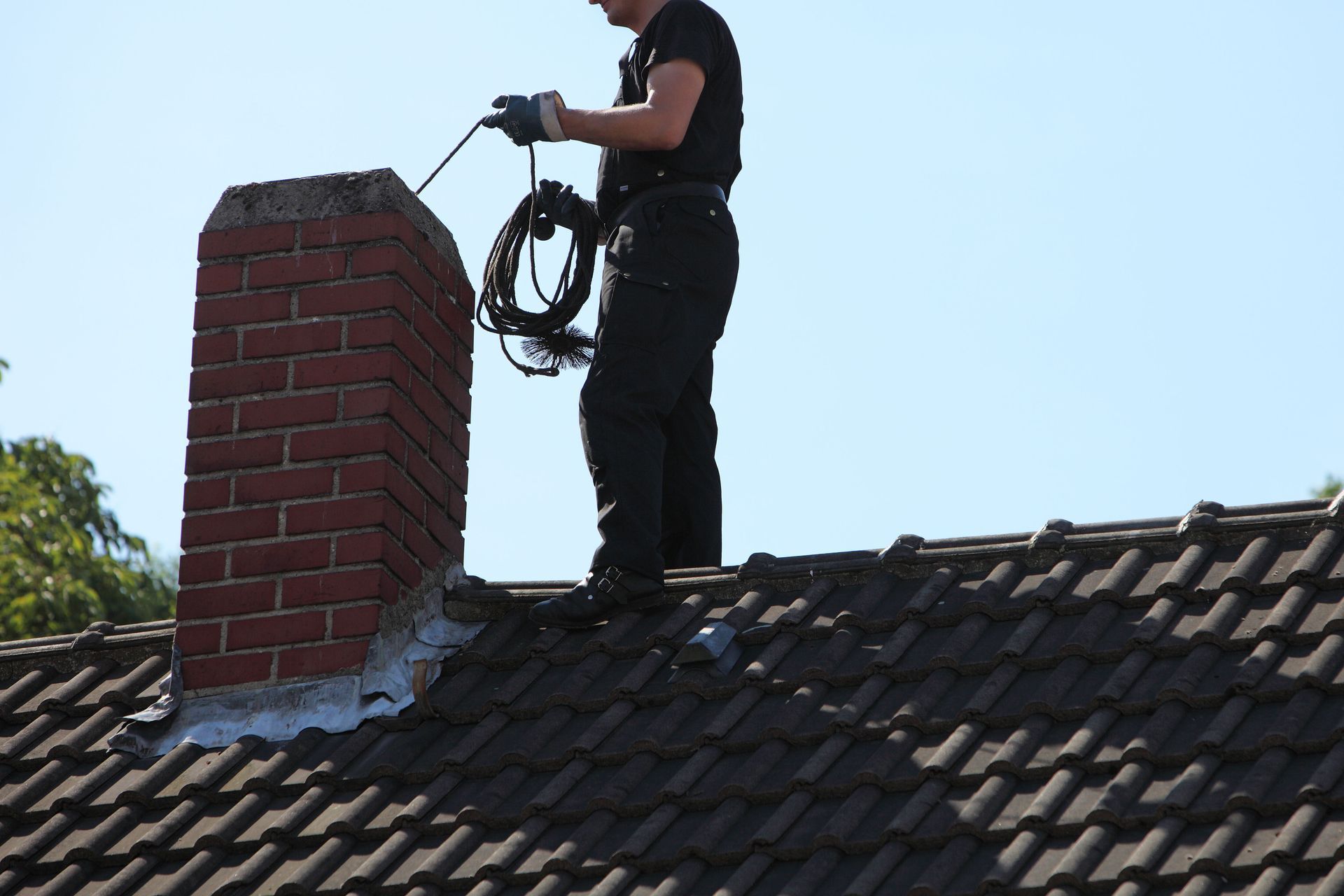
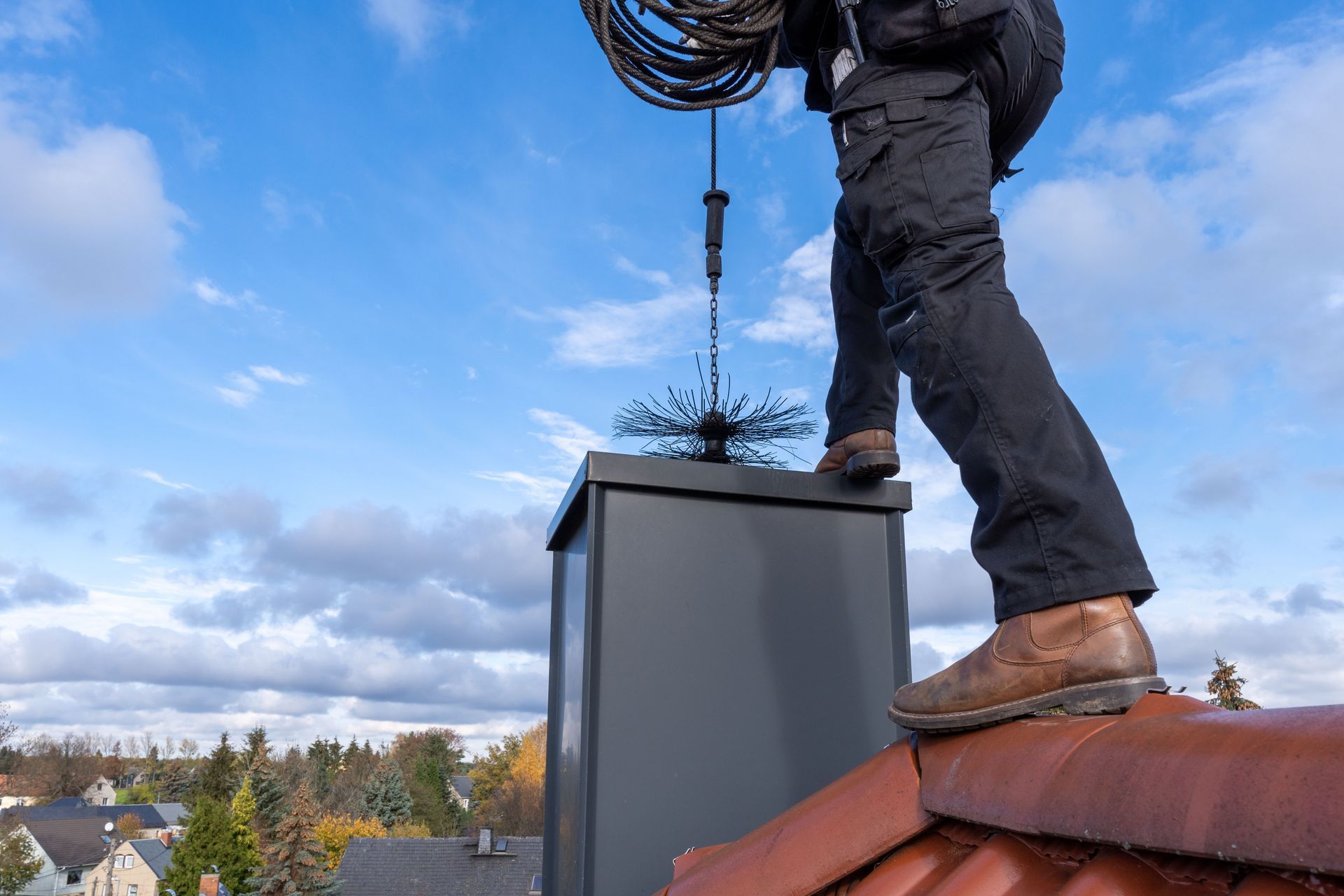
In homes with fireplaces and wood-burning stoves, chimney sweeping plays a critical role in ensuring safety and efficiency. Chimneys are essential for directing smoke and dangerous gases out of the home, thereby preventing indoor air pollution and potential health hazards. Careless maintenance, however, can lead to chimney fires, which are often caused by the accumulation of creosote—a highly flammable substance formed by unburned wood soot, tar, and gases. Understanding the importance of regular chimney maintenance is vital for preventing devastating fires. This article delves into the various aspects of chimney sweeping, including techniques, tools, and schedules, and its significance in reducing fire risks in residential areas.
Understanding Chimney Structure and Functionality
Basic Anatomy of a Chimney
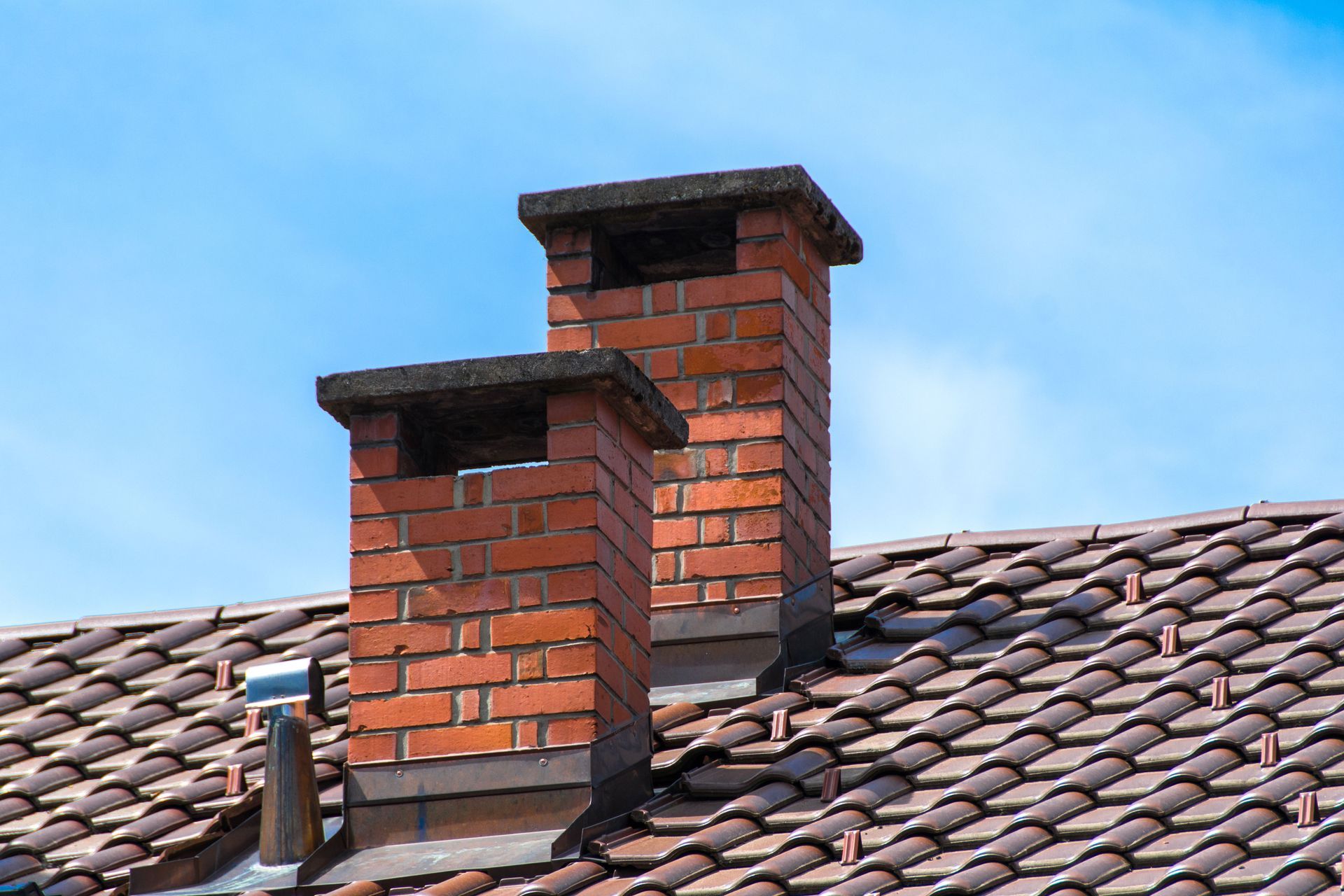
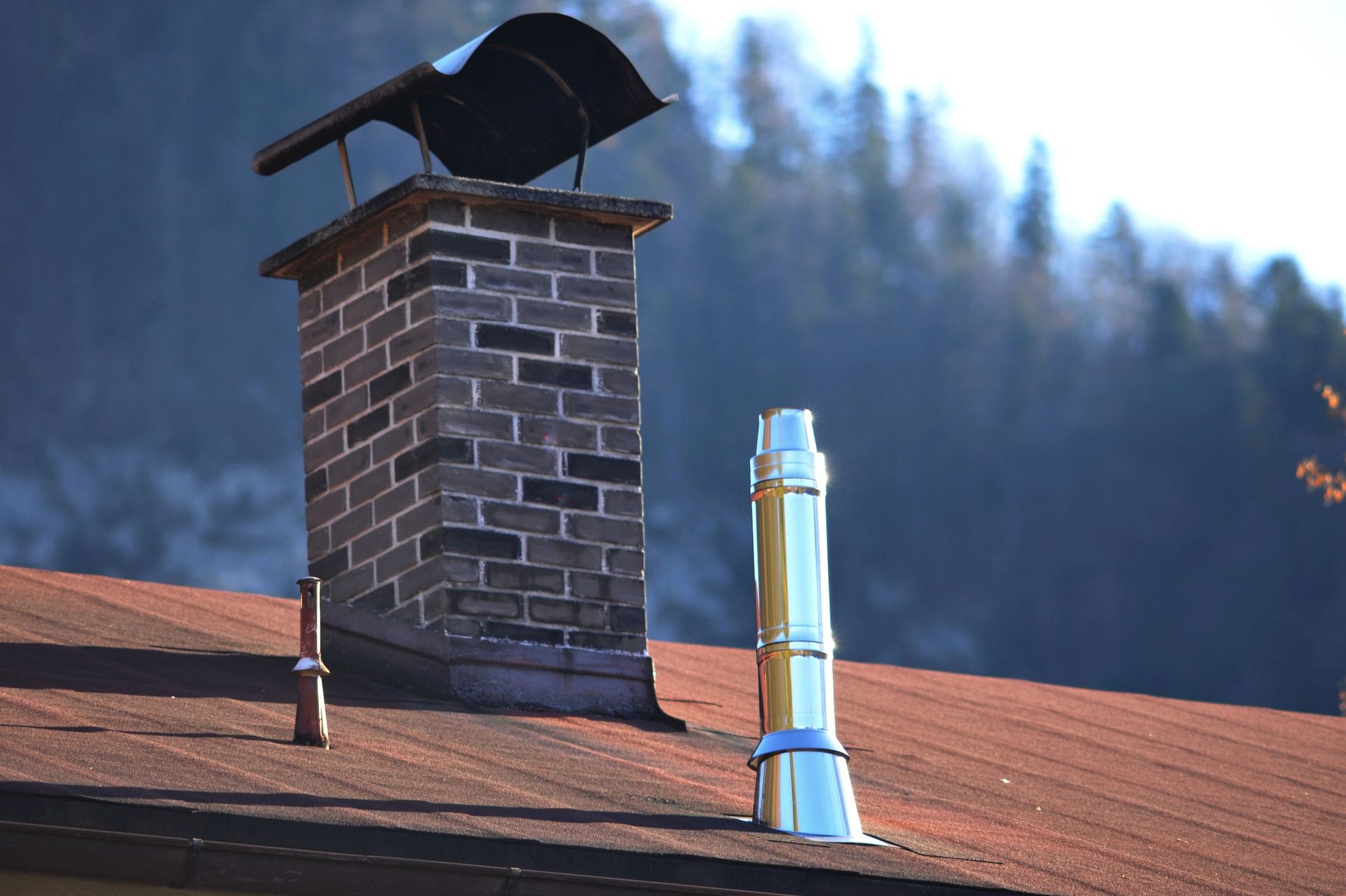
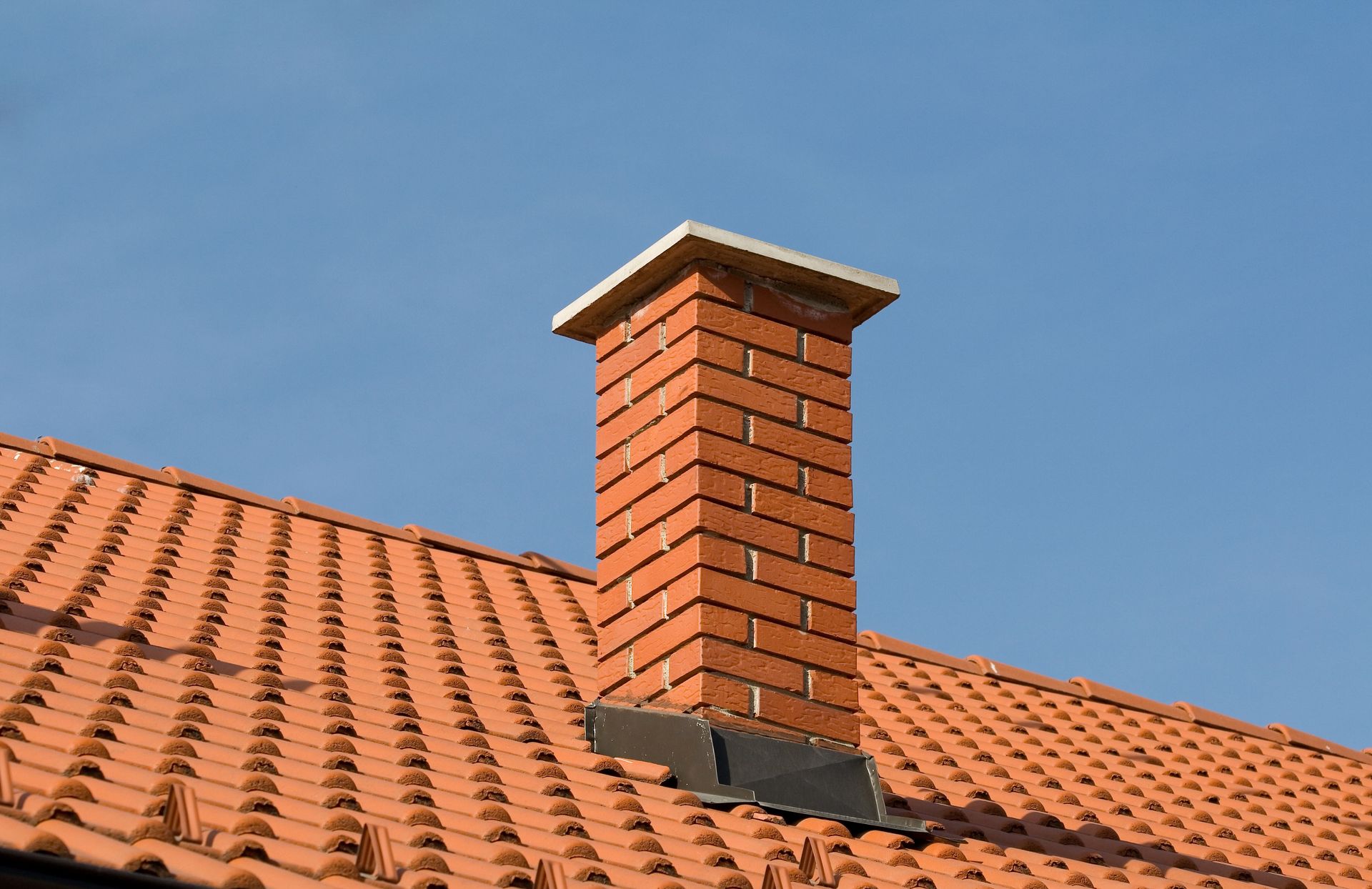
A typical chimney consists of several critical parts that work together to vent the byproducts of combustion safely out of the home. The flue is the inner shaft through which smoke travels, and it must be properly lined to protect the chimney walls and improve efficiency. Surrounding the flue is the chimney crown or cap, which keeps rain and debris out, while the outer walls are typically made of brick or stone for durability. Each of these components plays a part in maintaining both ventilation and safety, emphasizing the need for proper design and regular inspection. Understanding the basic anatomy of a chimney helps homeowners recognize potential weak points and improve maintenance planning.
Role in Ventilation and Heat Distribution
Chimneys serve the dual purpose of removing smoke and gases and redistributing heat throughout the home. An efficient chimney system ensures that harmful gases, such as carbon monoxide, do not linger indoors, which is crucial for maintaining indoor air quality. Chimneys also contribute to the even distribution of heat from the fireplace, enhancing the overall energy efficiency of the heating system. However, any obstruction or damage can compromise their functionality, leading to heat loss and potential safety hazards. Thus, regular cleaning and inspection of the chimney are important to ensure it functions at peak performance.
Types of Chimneys and Their Specific Needs
There are various types of chimneys, including masonry, metal, and prefab models, each with unique characteristics and maintenance needs. Masonry chimneys are traditional and aesthetically pleasing, but require regular inspection for cracks and mortar wear. Metal chimneys, on the other hand, are more modern and efficient but can be susceptible to corrosion over time. Prefabricated chimneys generally have fewer maintenance requirements but need to be checked for structural integrity. Understanding the type of chimney you have is essential for tailoring a maintenance plan that meets its specific needs and ensures its longevity and safety.
The Dangers of Creosote Buildup
What is Creosote?
Creosote is a byproduct formed from the incomplete combustion of wood in fireplaces and wood stoves. It manifests as a black, tar-like substance that clings to the inner walls of the chimney flue, accumulating over time with each use. Though initially appearing as a fine soot or ash, creosote will eventually harden into a thicker, more dangerous deposit if left untreated. This substance is highly flammable, posing a significant risk of chimney fires. Homeowners must be aware of creosote’s development and management to ensure their chimneys are safe and efficient.
How Creosote Accumulates in Chimneys
Creosote accumulation is a gradual process exacerbated by several factors, especially burning unseasoned or damp wood. Inadequate airflow through the chimney, often due to blockages or structural design, can also contribute to this buildup. Moreover, low temperatures in the flue encourage the condensation of volatile gases, forming creosote deposits on relatively cooler surfaces in the chimney. Homeowners can reduce creosote accumulation by using dry, seasoned wood and ensuring adequate air supply to feed the fire and maintain optimal burn temperatures. Regular chimney maintenance, particularly chimney sweeping, can reduce the risk of accumulation reaching dangerous levels.
The Flammability of Creosote
Creosote is highly flammable, posing a significant threat of chimney fires when it builds up within the flue. When temperatures within the chimney rise, either from prolonged wood burning or accidental sparks, creosote can ignite, setting the stage for a hazardous chimney fire. Such fires can spread rapidly to other parts of the home, making them especially dangerous. Understanding the flammable nature of creosote underscores the importance of regular chimney sweeping and inspections. Reducing creosote buildup and monitoring chimney conditions are proactive measures to mitigate this risk.
Identifying and Addressing Chimney Blockages
Common Causes of Blockages
Chimney blockages can stem from various sources, with one of the most common being a build-up of soot and creosote from consistent use without cleaning. Additionally, exterior debris like leaves, twigs, and even animal nests can become lodged in the chimney, restricting the airflow essential for proper ventilation. Severe weather can also damage or dislodge structural components, leading to additional obstructions. Homeowners will find it essential to address these causes promptly to prevent blockage-related complications. Routine inspections, cleaning, and chimney sweeping can keep the chimney free from such impediments.
Effects of Blocked Chimneys on Indoor Air Quality
A blocked chimney can drastically affect indoor air quality, causing harmful smoke and gases to back up into the living spaces. Carbon monoxide, a colorless, odorless, and potentially deadly gas, is of particular concern when chimneys cannot vent correctly. Soot and other particles can also infiltrate the home, leading to respiratory issues and additional health concerns. Besides health risks, these conditions can lead to unpleasant odors and visible residue on surfaces. Maintaining a clear chimney is crucial for preserving both air quality and the overall health of a home's occupants.
Detecting Blockages Early
Timely detection of chimney blockages can prevent significant safety hazards and maintain optimal performance. According to the EPA, go outside after your fire has been burning for 20 minutes and look up at your chimney. If there is smoke, your wood may be too wet, your fire may need more air, or your stove and chimney may need maintenance. Obvious indicators such as smoke spillage or weak drafts should be promptly addressed. A visual inspection, using a flashlight to peer up the chimney or outside for obstructions, can reveal physical blockages. Listening for unusual noises like rustling or scratching can indicate animal activity. Early detection allows for swift resolution, often avoiding more severe and costly issues. Regular professional check-ups and chimney sweeping can catch hidden blockages that homeowners might miss.
The Role of Regular Inspections
What Inspectors Look For
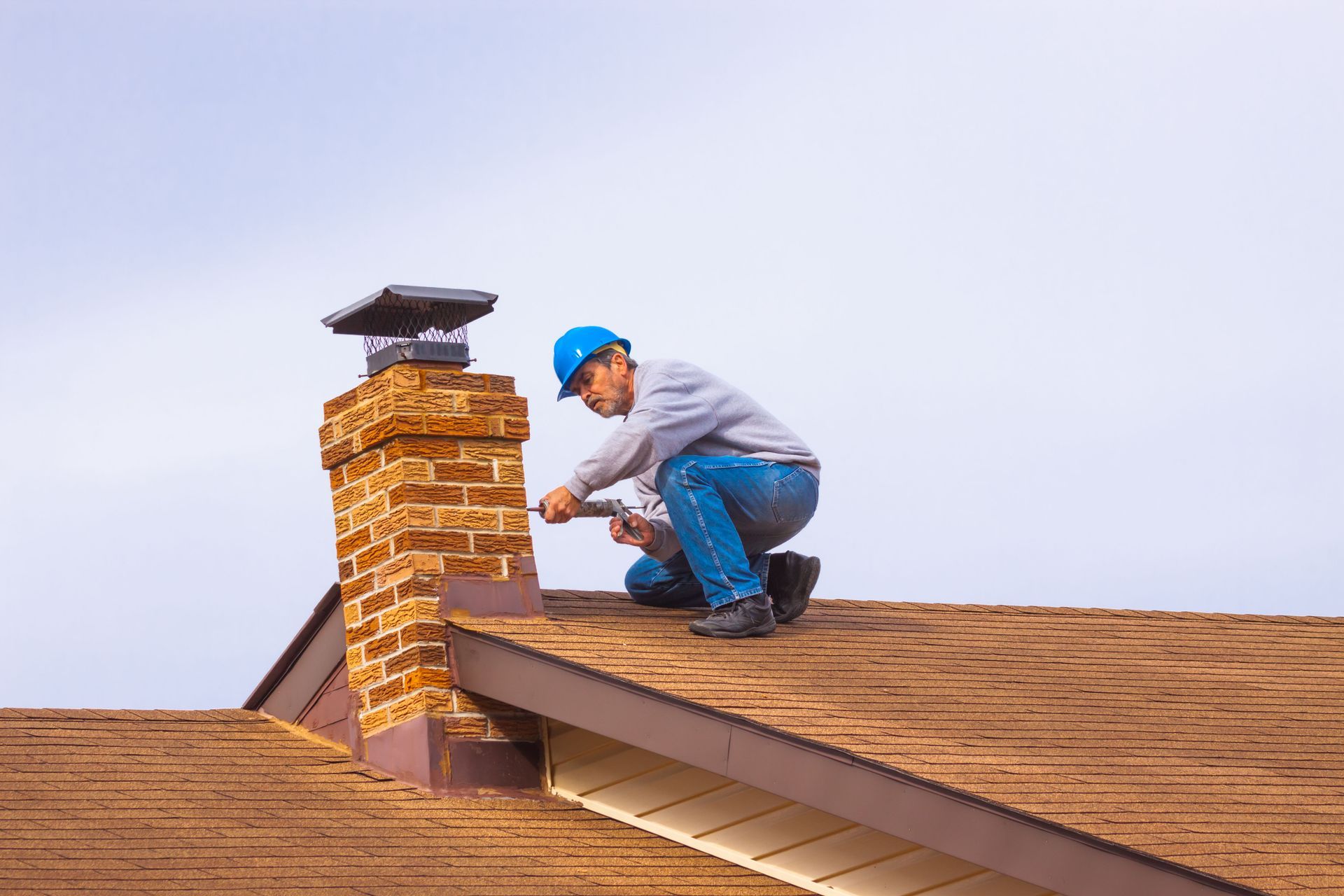
During a chimney inspection, professionals assess a range of factors to ascertain the system's condition and integrity. They check for creosote levels, ensuring they are not at dangerous ignition levels. Inspectors also look for blockages or structural damage, such as cracks or missing mortar in masonry chimneys. They will evaluate the flue lining for wear and ensure any caps are intact and functional. A thorough inspection combines visual checkups and camera audits to ensure comprehensive analysis.
How Often Should Inspections Be Conducted?
The frequency of chimney inspections can vary, but a common recommendation is at least once annually for those who use their fireplaces regularly. If a fireplace or wood stove is a primary or frequent heat source, semi-annual inspections may be advisable. This routine ensures issues such as accumulated creosote or structural damage are identified and addressed promptly. Changing appliances or venting systems should also prompt an inspection to verify proper operation and adherence to codes. Consistently following a regular inspection regime can significantly enhance chimney safety.
Regular chimney maintenance, including thorough chimney sweeping and inspections, is essential for both safety and efficiency in homes with fireplaces and wood-burning stoves. By preventing creosote buildup and addressing blockages early, homeowners can reduce the risk of chimney fires and maintain healthy indoor air quality. Ultimately, a well-maintained chimney ensures reliable performance, prolongs the lifespan of the system, and provides peace of mind for every household. Keep your home safe with professional chimney sweeping from ECC Chimney Service.