March 5, 2026
In many households, the fireplace represents not just a source of warmth but also a nostalgic centerpiece for family gatherings. However, while the comforting crackle of a wood-burning fireplace may be cherished, it requires the necessary care and attention that is often overlooked. Regular chimney maintenance, which includes cleaning and inspection, plays a vital role in ensuring the safety and efficiency of this home feature. Without this maintenance, the risks accumulate, leading to hazards that endanger not just property but also lives. The importance of maintaining a clean and functional chimney cannot be overstated, as neglect can lead to consequences far more costly than presumed. Contacting professionals for local chimney sweeps regularly is imperative for the health of your chimney.
Preventing Fire Hazards
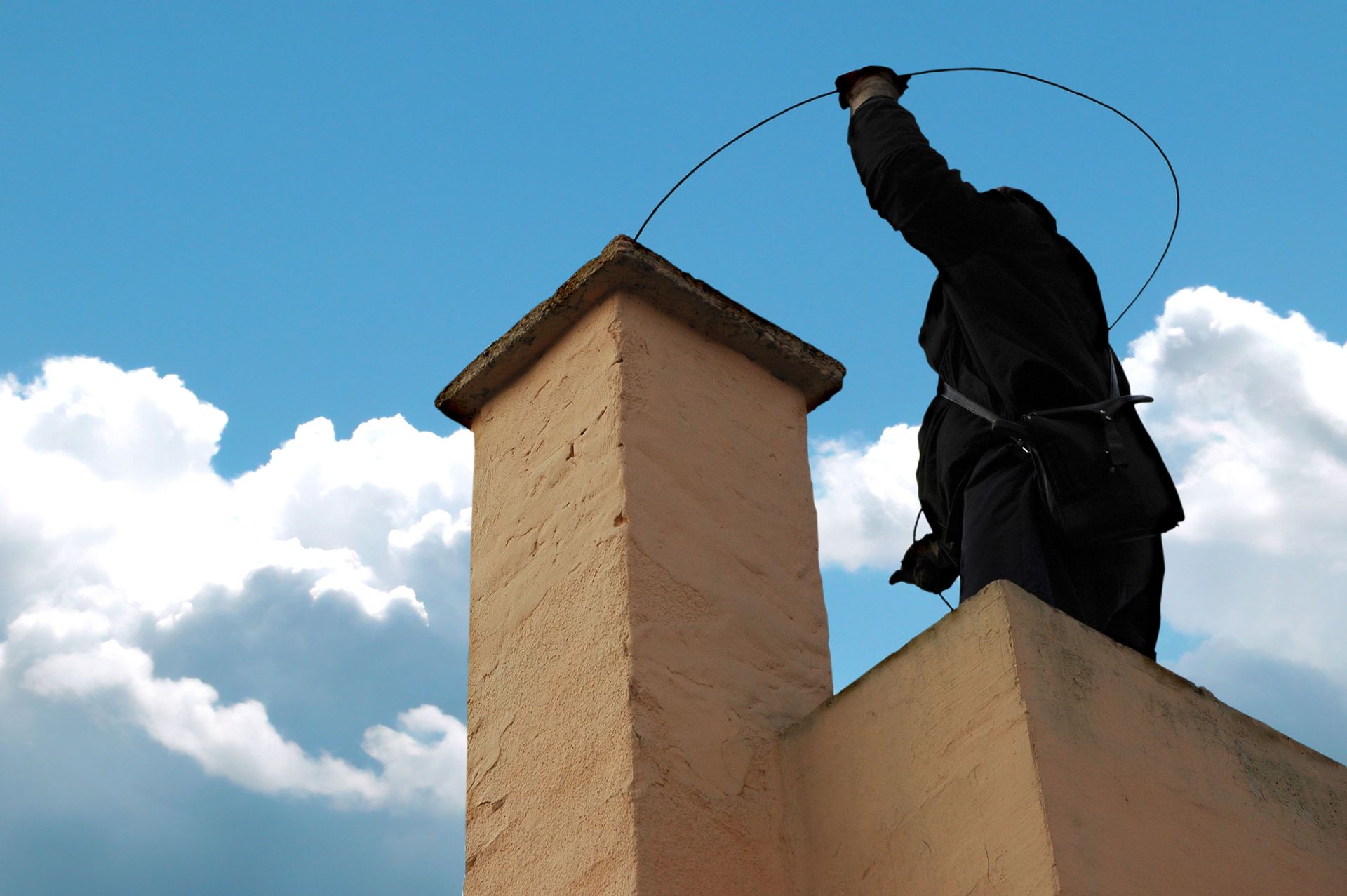
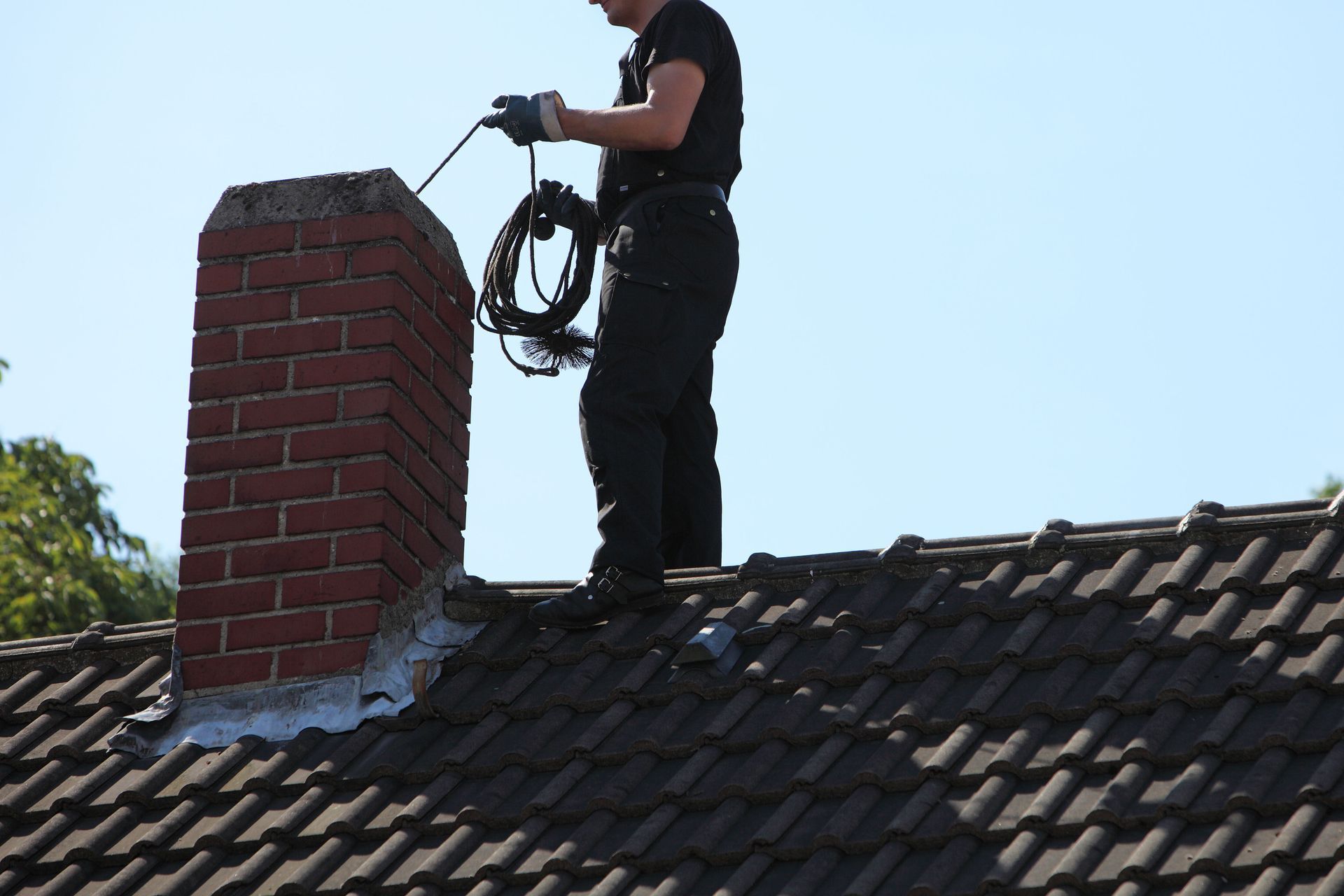
The accumulation of creosote within chimneys is a significant fire hazard. Making an appointment for local chimney sweeps is one way to prevent this issue. Creosote is highly flammable, and even a small accumulation can lead to chimney fires. Such buildup occurs naturally when wood is burned, producing tar, gases, and other materials that adhere to the inner walls of the chimney. Over time, these deposits can thicken, causing blockages and increasing the probability of a chimney fire. Regular cleaning helps manage creosote levels, providing a safer environment for the use of fireplaces.
Nesting birds, leaves, and other debris can easily find their way into a neglected chimney. Local chimney sweeps are one good way to prevent potential hazards. These materials pose a risk of obstructions, significantly impacting the ability of smoke and gases to exit the chimney efficiently. Blockages can reroute dangerous fumes back into the home, drastically reducing indoor air quality and increasing fire risks. Additionally, an obstructed chimney could encourage further creosote buildup, accentuating the dangers related to fire hazards. Routine inspections and cleanings ensure that such risks are minimized.
Deteriorating Chimney Liner
The chimney liner is crucial in protecting home structures from heat and corrosive byproducts produced during combustion. Over time, the liner can deteriorate, leading to gaps and cracks. These defects not only allow heat to permeate to combustible areas of the home but can also lead to structural damage. Local chimney sweeps are crucial to identify and replace compromised liners before they become significant hazards. A well-maintained liner ensures both safety and efficiency in fireplace operation.
The flue is an essential component in directing smoke and gases out of the home. A blocked or poorly maintained flue restricts this vital airflow, resulting in incomplete combustion and a backdraft of fumes into the living space. Apart from the obvious health risks posed by inhaling smoke, these fumes often contain harmful carbon monoxide gas. Local chimney sweeps and proper maintenance ensure the flue system remains clear and functional, promoting optimal ventilation and overall safety. Regular checks can prevent ventilation issues before they escalate.
Making Chimney Inspections an Annual Occurrence
Consistent chimney sweeps help address and prevent potential fire hazards. According to Market Research Intellect, approximately 15 million homes in the U.S. have fireplaces or wood stoves that require regular maintenance. By engaging with certified professionals, homeowners can ensure their chimneys are thoroughly inspected and cleaned, addressing issues such as creosote buildup and obstructions promptly. This preventative measure not only enhances safety but also extends the life of the chimney system. Regardless of how frequently a fireplace is used, annual inspections are recommended to catch and fix problems early. Prevention is the key to maintaining a safe and efficient chimney.
Carbon monoxide is a silent killer, odorless and colorless. It can easily accumulate in homes when chimneys are neglected and blockages are present. When poorly maintained, chimneys fail to efficiently vent these gases, allowing them to permeate indoor spaces. Exposure to carbon monoxide can lead to symptoms ranging from dizziness and headaches to more severe outcomes like unconsciousness or death. Regular maintenance and inspections are crucial in preventing such potentially lethal exposure.
Preventing Chimney Blockages and Fumes
Blockages within a chimney impede the free escape of smoke and gases. This issue forces carbon monoxide, created by burning wood fuel, to enter the home rather than safely exit through the chimney. These trapped fumes pose significant health risks, especially if the buildup is undetected or ignored. Addressing blockages as they arise ensures the chimney's proper functionality and promotes a healthy indoor environment. Regular cleanings help prevent the adverse effects associated with chimney obstructions.
A well-functioning chimney draft is essential for efficient fuel combustion and smoke evacuation. Draft problems can arise from chimney abnormalities, blockages, or poor chimney design. An inadequate draft can result in inefficient burning and higher levels of toxic fumes in the chimney itself. Addressing draft issues promptly through professional evaluation maintains not just energy efficiency but also indoor air quality. Correcting draft issues immediately is imperative for a safe, effective chimney system.
Monitoring and Regular Testing
Installing carbon monoxide detectors in homes with active chimneys is a necessary safety measure. These detectors offer passive monitoring of carbon monoxide levels, providing early alerts when dangerous concentrations are detected. Regular testing and maintenance of these devices ensure they function correctly in emergencies. Moreover, pairing monitoring tools with routine chimney maintenance offers a comprehensive approach to managing carbon monoxide risks. Proactive steps in safety are invaluable when protecting households from invisible threats.
Homeowners should be prepared for potential chimney-related emergencies with a plan to address carbon monoxide incidents. Recognizing the symptoms of poisoning and knowing the actions to take can save lives. A crucial part of preparedness includes regular chimney check-ups and the maintenance of safety equipment such as carbon monoxide alarms. This approach reduces risk and assures a swift response if an emergency arises. These practices can make all the difference in protecting lives and property.
Preventing Structural Damage
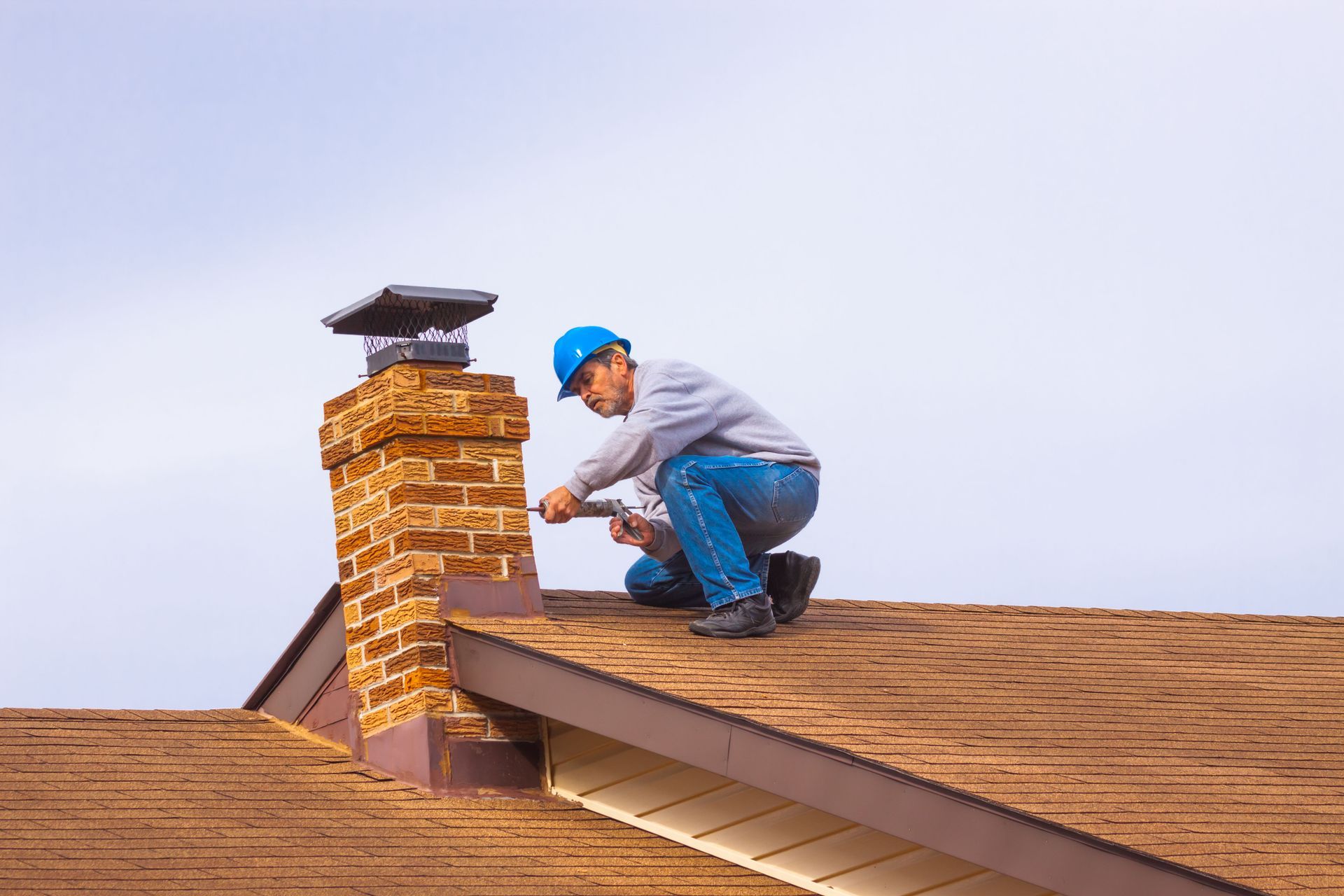
Moisture infiltration in chimney masonry poses a significant risk for structural damage. Water can enter through cracks and porous materials, freezing and thawing to expand and contract within the structure. This cyclic stress can result in crumbling mortar, loose bricks, and an overall weakened chimney. Moisture-resistant seals and chimney caps are effective solutions to combat this persistent issue. Regular maintenance checks help identify and repair early signs of water damage to preserve the chimney structure.
Cracks and leaks in a chimney can develop silently over time, often going unnoticed until they cause significant damage. These defects allow water and other elements to penetrate, exacerbating potential structural issues. Additionally, cracks can provide escape paths for heat and combustion gases into unwanted areas. Regular inspection and timely repairs ensure these problems are addressed before they significantly impact home safety and structure. Maintaining a sealed and intact chimney is crucial to its longevity.
Preserving Chimney Cap and Foundation Integrity
A chimney cap provides vital protection against debris, animals, and moisture entering the chimney system. Neglecting the maintenance of chimney caps can lead to increased blockages and moisture-related structural issues. A damaged or missing chimney cap compromises the efficiency and safety of the chimney, putting the entire household at risk. Inspecting and maintaining caps regularly safeguards the chimney’s internal components from external hazards. An investment in cap health significantly benefits overall chimney longevity.
The chimney's foundation shares an interdependent relationship with the entire home’s structural integrity. Any weaknesses in the chimney can translate to broader foundational risks, threatening the safety of the dwelling. Local chimney sweeps help detect early signs of foundational settling or cracking, allowing for preventive measures to be implemented. A crude estimate reveals there are over 15 million homes in the U.S. relying on fireplaces or wood stoves that require such foundational diligence. Proactive chimney maintenance serves as a guard against potential catastrophic structural failures.
The importance of regular chimney maintenance extends beyond mere cleanliness to encompass safety, efficiency, legal compliance, and environmental responsibility. Each section of this article highlights the various risks associated with neglect and underscores the significant benefits of routine inspections and cleaning. Whether addressing fire hazards, carbon monoxide poisoning, structural integrity, heating efficiency, or environmental impact, proactive chimney care is critical. Homeowners are urged to establish and adhere to regular maintenance schedules, ensuring that chimneys remain assets rather than liabilities. For those seeking to protect their homes and contribute to broader community health, the time for action is now, and well-maintained chimneys are a meaningful starting point. Make an appointment with ECC Chimney Service today for your next chimney inspection.