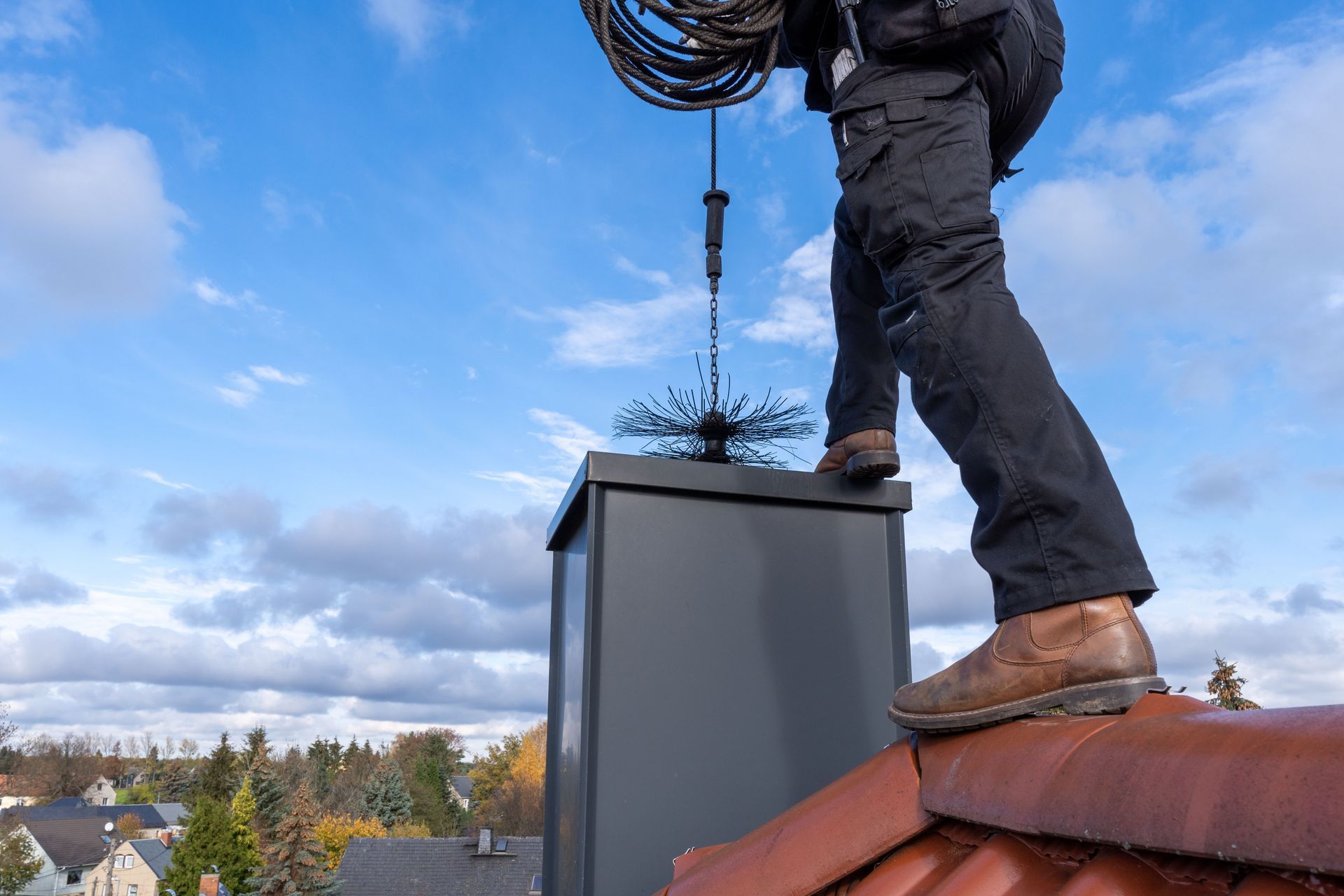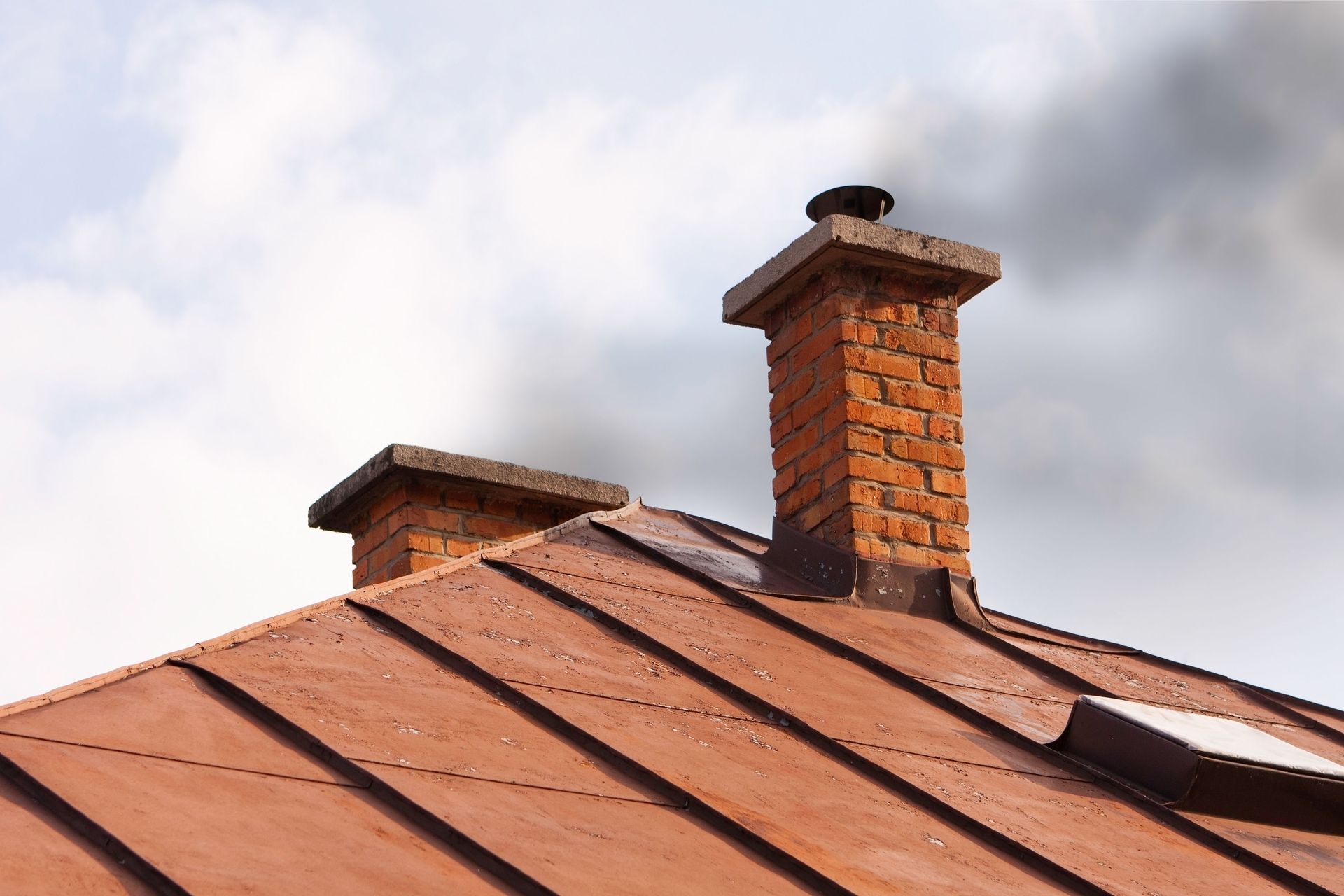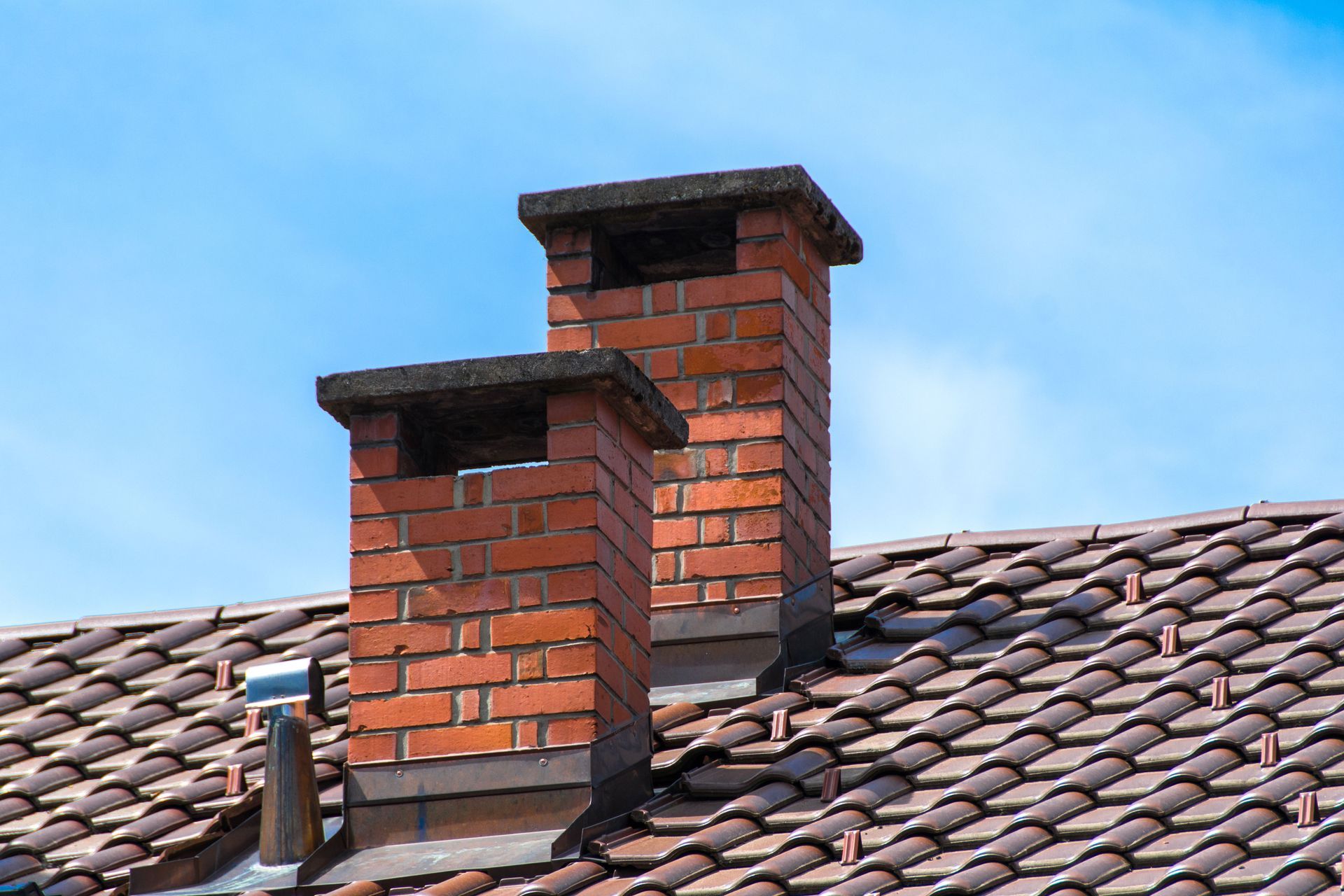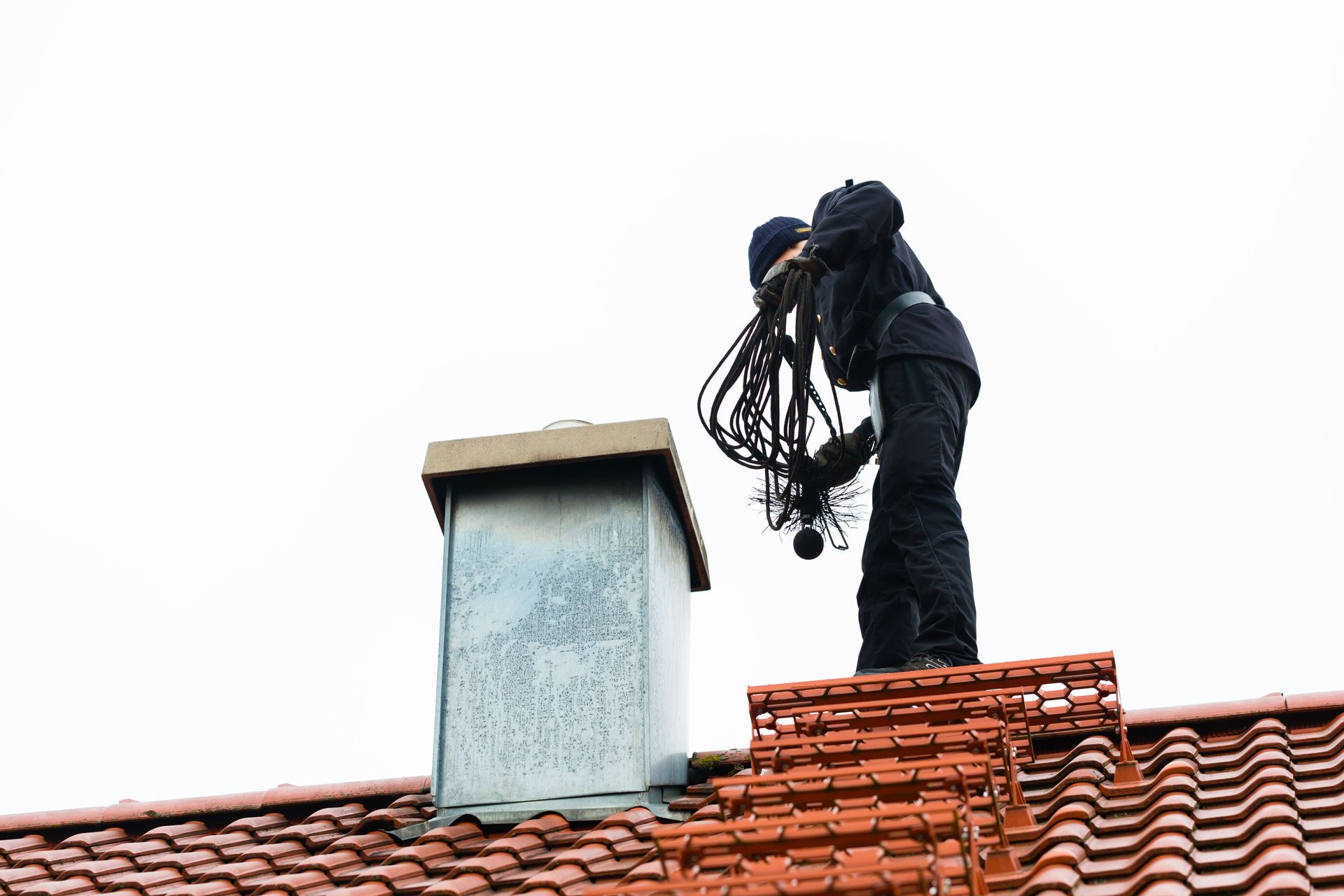
Your chimney is a vital component of your home's heating system, ensuring the safe and efficient expulsion of smoke and gases. However, without proper maintenance, it can become a hazard. Here are five key signs you need to invest in chimney sweeping services immediately.
1. Strange Odors Emanating from the Fireplace
Strange odors emanating from the fireplace can serve as an early indication that your chimney needs sweeping. Over time, unburnt organic materials build up inside the chimney, emitting a smell that's hard to ignore. This residue contains particulates and volatile compounds that produce a distinct and unpleasant odor, often worsened by moisture or humidity. Ignoring these odors can lead to further complications, including the risk of a chimney fire. According to the Chimney Safety Institute of America, dirty chimneys can result in chimney fires, potential structural damage, home destruction, and serious injury or death.
Creosote smells are particularly concerning, as they indicate the accumulation of this highly flammable substance. Creosote is a byproduct of wood combustion and manifests in three degrees of severity, each more dangerous than the last. When moisture interacts with creosote, the chemical reaction releases pungent smells. It's important to consistently monitor your fireplace for these odors to prevent creosote buildup from reaching hazardous levels. If you notice creosote smells, scheduling chimney sweeping should be a priority.
Poor ventilation is another culprit for the development of strange odors. When the chimney is blocked, either by creosote, soot, or other debris, the ventilation process is compromised. This blockage prevents smoke and other gases from efficiently exiting the home, causing them to linger and mix with the air inside. The odor can be not only unpleasant but dangerous due to the potential presence of carbon monoxide. Ensuring proper ventilation is vital for maintaining a safe and odor-free home environment.
2. Smoke Filling the Room
One of the most immediate and alarming signs that your chimney requires sweeping is smoke filling the room. This issue frequently occurs when the flue is blocked by soot, creosote, or other debris. A blocked flue prevents smoke from escaping, forcing it back into your living space. Not only does this cause discomfort, but it also poses severe health risks. Prolonged exposure to smoke can trigger respiratory problems, eye irritation, and other health issues.
The importance of flue inspection cannot be overstated when it comes to maintaining a safe and efficient chimney. Regular inspections help identify obstructions and other potential issues before they become significant problems. A well-maintained flue encourages optimal airflow, minimizing the risk of smoke entering your home. By staying vigilant and scheduling regular inspections, you can prevent harmful effects associated with improper smoke expulsion. Early detection is the key to maintaining an efficiently working chimney.
Identifying blockages in your chimney system is critical to preventing smoke from entering the room. Various factors, such as bird nests, leaves, and even animal intrusions, can block the chimney. When smoke can't escape through the chimney, it returns to the living area, indicating a possible obstruction. It's essential to address these issues as soon as they're detected to prevent further complications and ensure your family's health and safety. Chimney sweeping professionals offer comprehensive blockage detection and removal services.
3. Soot Build-Up Around the Fireplace
The formation of soot around your fireplace is another obvious sign that chimney sweeping is overdue. Soot is a byproduct of burning carbon-based material and can accumulate over time if the chimney is not regularly cleaned. Its dark appearance and tendency to stain can be both unsightly and destructive to your home furnishings and structure. Moreover, soot buildup can obstruct the flue, exacerbating ventilation issues and increasing fire risk. Routine chimney maintenance is vital to preventing soot from becoming a serious issue in your home.
Visual evidence of excess soot is a clear indicator that your chimney requires attention. Black streaks or deposits on the fireplace walls and hearth are typical signs that soot has been accumulating. If left unaddressed, excessive soot can penetrate deeper into your home's structure, causing discoloration and damage that may not be easy to remove. Regularly inspecting your fireplace for unusual amounts of soot can help prevent more serious problems. When you notice these signs, it's time to call in a chimney sweeping professional.
Beyond being a mere cosmetic issue, soot poses numerous health risks to those exposed to it for extended periods. Soot particles are fine enough to enter the respiratory system, potentially causing respiratory irritation, including aggravated asthma and lung conditions. Additionally, soot is often accompanied by other harmful pollutants that mix into the air. Regular chimney cleaning can effectively reduce these pollutants, ensuring a healthier home environment. Professional cleaners have the necessary tools and expertise to safely remove soot build-up.
4. Poorly Burning Fires
Poorly burning fires can often be attributed to issues within the chimney system. A fire that does not burn efficiently not only provides inadequate heat output but can also signal problems with air supply or chimney blockages. Insufficient oxygen flow starves the fire, preventing it from reaching the desired temperatures required for efficient combustion. This inefficiency not only wastes fuel but can accelerate the buildup of creosote. Tackling these underlying issues can significantly improve the performance of your fires.
The role of air supply and ventilation is crucial in achieving a well-burning fire. Proper airflow ensures that enough oxygen fuels the fire for optimal combustion. If your chimney is blocked or the damper is not functioning correctly, the fire may struggle to burn effectively. An obstructed ventilation system contributes to the collection of smoke and gases, creating hazardous conditions. Regular sweeping and maintenance ensure that your chimney's airflow system is working as intended.
Creosote can further impact fire efficiency, making it essential to monitor levels and remove them when necessary. As creosote accumulates inside the chimney, it restricts airflow, compounding the problem of poorly burning fires. This blockage not only reduces the efficiency of your fire but can also risk a chimney fire. Regular cleaning of creosote is vital to maintaining a safe and efficient chimney system. Chimney sweeping experts have the proficiency to assess and remove these dangerous residues.
5. Visible Creosote Build-up
Visible creosote buildup is one of the clearest indications that your chimney needs immediate attention. Creosote is a tar-like substance that forms when wood is burned incompletely, often due to burning unseasoned wood or inefficient fires. As it accumulates, creosote can reduce airflow, further compounding the issues of smoke backflow and inefficient fires. The sight of thick, sticky deposits inside your chimney should be a red flag that chimney sweeping is overdue. Ignoring creosote buildup can lead to disastrous consequences.
Creosote accumulation happens in three levels, each one more difficult and hazardous than the last. The first level is flaky and easy to remove with regular cleaning. The second level appears as a dense, black matter, requiring more effort to eliminate. The third and most severe level becomes a hard, glazed coating that presents severe fire risks and necessitates professional intervention. Understanding these levels helps you assess the urgency of cleaning your chimney.
The safety hazards of creosote buildup are manifold, posing threats of chimney fires and toxic gas emissions. Even small amounts of creosote can catch fire, causing extensive damage to your home, as pointed out by the Chimney Safety Institute of America. Chimney fires frequently spread to the home's structure, resulting in considerable property loss and potential injury. To mitigate these risks, regular chimney inspections and cleanings are essential. Professionals can provide a full assessment and tailored cleaning plan.
Regular chimney maintenance is crucial to home safety and energy efficiency. Ensuring your chimney is clean and in good condition will not only prevent hazards but also improve your overall home experience. If you notice any of the signs above, contact a chimney sweeping professional at ECC Chimney Service today to assess and address the issue promptly.